
 By
By 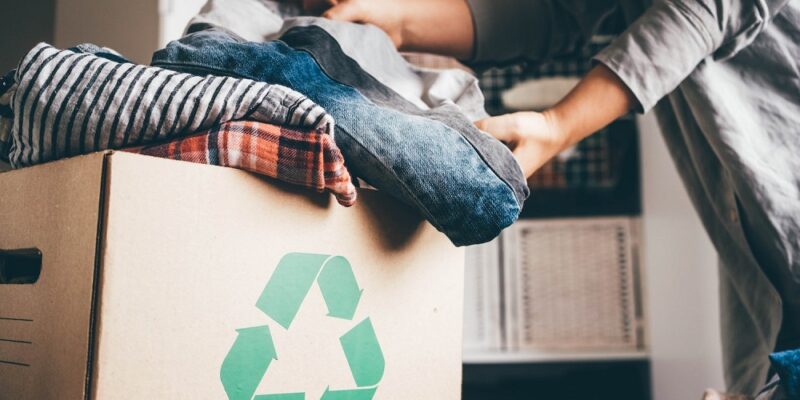
Introduction: Why Fashion Needs a Circular Approach
The fashion industry has long operated on a linear production model. Raw materials are extracted, garments are manufactured, sold, worn briefly, and then discarded. This pattern creates significant environmental pressure and contributes to growing textile waste worldwide.
A circular economy approach in fashion aims to change that pattern. Instead of producing clothing for short term use, circular systems prioritize reuse, repair, recycling, and responsible material sourcing. Fashion recycling plays a central role in this transition.
As consumers become more aware of sustainability challenges, brands are redesigning products and supply chains to support longer garment lifecycles. Circular fashion is no longer a niche concept. It is becoming a strategic priority across the industry.
Understanding the Concept of Circular Fashion
Circular fashion focuses on extending the lifecycle of garments and minimizing waste across production and consumption stages.
Unlike traditional fashion systems, circular models emphasize:
- material reuse
- product longevity
- recycling infrastructure development
- repair culture adoption
- responsible manufacturing practices
The goal is to keep textiles in use for as long as possible while reducing reliance on virgin resources.
Circular thinking transforms fashion from a disposable product industry into a regenerative system.
Why Textile Waste Is a Growing Global Concern
Clothing consumption has increased rapidly over the past two decades. At the same time, garment lifespan has shortened.
As a result:
- more clothing is discarded after limited use
- landfill pressure continues rising
- synthetic fibers contribute to environmental pollution
- recycling rates remain relatively low in many regions
Many garments are still disposed of even when they remain wearable.
Fashion recycling helps redirect these materials into productive use rather than waste streams.
Reducing textile waste is essential for building a sustainable apparel ecosystem.
How Fashion Recycling Works in Practice
Fashion recycling involves collecting used garments and processing them for reuse, repurposing, or material recovery.
Common recycling pathways include:
- secondhand resale
- fiber recycling for new textiles
- industrial material reuse
- donation redistribution
- upcycling into new products
Each pathway extends garment life in different ways.
Some clothing returns directly to the market, while other items are broken down into raw fibers for future manufacturing.
Recycling supports resource efficiency across the fashion supply chain.
Mechanical Recycling and Fiber Recovery Processes
Mechanical recycling is one of the most widely used textile recovery methods.
This process involves:
- sorting garments by material type
- removing non textile components
- shredding fabrics into fibers
- spinning fibers into new yarn
Recovered fibers are often blended with virgin materials to improve durability.
Mechanical recycling works especially well for cotton and wool textiles.
However, mixed fiber garments remain more difficult to process.
Improving fiber separation technologies is a major focus area for the circular fashion industry.
Chemical Recycling Expands Textile Reuse Opportunities
Chemical recycling technologies are helping address limitations associated with blended fabrics.
These processes break textiles down at the molecular level to recover usable raw materials.
Chemical recycling supports:
- polyester recovery
- cellulose fiber regeneration
- blended textile separation
- high quality fiber production
As these technologies improve, more garments can reenter the manufacturing cycle.
This development increases the long term potential of circular fashion systems.
The Role of Clothing Collection Programs
Garment collection programs help redirect used clothing away from landfills.
Retailers, nonprofits, and municipalities now support textile collection initiatives that encourage responsible disposal.
Collection programs typically involve:
- in store drop off points
- community recycling centers
- donation partnerships
- mail back clothing services
Convenient collection systems increase participation rates among consumers.
Higher participation strengthens recycling infrastructure effectiveness.
How Brands Are Designing Clothing for Circularity
Design decisions strongly influence whether garments can be recycled successfully.
Forward thinking brands now integrate circular design strategies into product development.
Examples include:
- using single fiber materials when possible
- minimizing mixed fabric blends
- choosing recyclable trims and components
- simplifying garment construction
- avoiding harmful dye processes
Designing for recyclability makes future material recovery more efficient.
Circular design reduces long term environmental impact.
The Rise of Repair Culture in Fashion Sustainability
Repair plays an important role in extending garment lifespan.
Instead of discarding clothing after minor damage, repair culture encourages continued use.
Repair strategies include:
- replacing worn components
- reinforcing seams
- adjusting garment fit
- restoring fabric strength
Many brands now offer repair services as part of sustainability initiatives.
Repair culture supports resource conservation while strengthening customer relationships.
Secondhand Markets Strengthen Circular Fashion Systems
Secondhand clothing platforms are expanding rapidly across global markets.
These platforms extend garment life through resale rather than disposal.
Secondhand participation supports:
- reduced demand for new production
- increased garment lifespan
- affordability for consumers
- lower environmental impact
Digital resale platforms have made secondhand shopping more accessible than ever before.
Resale contributes directly to circular economy growth.
Upcycling as a Creative Circular Strategy
Upcycling transforms existing garments into new products without breaking materials down into fibers.
This approach preserves fabric value while reducing waste.
Common upcycling practices include:
- redesigning vintage clothing
- transforming leftover fabric into accessories
- combining textile remnants into new garments
- creating limited edition recycled collections
Upcycling encourages innovation in sustainable fashion design.
Creative reuse adds both environmental and aesthetic value.
How Consumers Influence Circular Fashion Adoption
Consumer behavior plays a major role in supporting recycling systems.
Responsible purchasing habits strengthen circular economy progress.
Consumers can contribute by:
- choosing durable garments
- supporting repair services
- donating unused clothing
- participating in resale markets
- selecting recycled material products
Small changes in consumer behavior create meaningful impact at scale.
Circular fashion depends on collaboration between brands and buyers.
The Importance of Material Innovation in Circular Fashion
Material science innovation supports the future of fashion recycling.
Researchers are developing textiles designed for easier recovery and reuse.
Examples include:
- biodegradable fibers
- recyclable polyester alternatives
- regenerative natural materials
- low impact dye technologies
Material innovation improves recycling efficiency across the entire supply chain.
These advancements support long term sustainability goals.
Supply Chain Transparency Supports Circular Economy Goals
Transparency helps organizations track material flow across production stages.
Digital tracking systems allow brands to monitor:
- fiber origins
- manufacturing conditions
- recycling eligibility
- product lifecycle stages
Transparent supply chains support responsible sourcing and recycling readiness.
Visibility improves accountability across the fashion ecosystem.
Policy Support Accelerates Circular Fashion Development
Government policies play an important role in expanding textile recycling infrastructure.
Policy initiatives often focus on:
- extended producer responsibility programs
- landfill reduction targets
- recycling investment incentives
- sustainable material standards
Regulatory support encourages industry wide participation in circular systems.
Public policy helps scale sustainability solutions.
Business Opportunities Created by Circular Fashion Models
Circular economy adoption creates new revenue opportunities across the fashion industry.
Businesses benefit through:
- resale platform growth
- repair service expansion
- recycled material innovation
- sustainable product development
- textile collection partnerships
Circular strategies strengthen long term competitiveness while reducing environmental impact.
Sustainability and profitability increasingly support each other.
Challenges Facing Fashion Recycling Systems Today
Despite progress, several barriers still affect recycling efficiency.
Current challenges include:
- limited fiber separation technology
- inconsistent global recycling infrastructure
- mixed material garment complexity
- consumer awareness gaps
- logistics coordination challenges
Addressing these barriers requires collaboration across manufacturers, retailers, governments, and consumers.
Continuous improvement is essential for long term success.
The Future of Circular Fashion and Recycling Innovation
Circular fashion continues evolving as technology improves and awareness grows.
Future developments may include:
- automated garment sorting systems
- advanced fiber regeneration technologies
- digital product tracking identifiers
- scalable textile recovery facilities
- wider adoption of recyclable materials
These innovations will strengthen recycling systems and improve sustainability outcomes.
Circular fashion represents a long term transformation rather than a temporary trend.
Conclusion: Circular Fashion Supports a More Responsible Industry Future
Fashion recycling plays a central role in shifting the apparel industry toward sustainability.
By extending garment lifecycles, improving material recovery, supporting repair culture, and expanding secondhand markets, circular economy strategies reduce environmental pressure while strengthening supply chain resilience.
Brands, consumers, and policymakers all contribute to this transformation.
As recycling technologies advance and participation increases, circular fashion will continue shaping a more responsible and resource efficient future for the global apparel industry.
FAQ Section
1. What types of clothing materials are easiest to recycle
Natural fibers such as cotton and wool are generally easier to recycle than blended fabrics because they require less separation processing.
2. Can damaged clothing still be recycled effectively
Yes. Even garments that are no longer wearable can often be processed into industrial materials or fiber recovery inputs.
3. How do recycling labels on clothing support circular systems
Recycling labels help identify fiber composition and processing requirements, making sorting and recovery more efficient.
4. Are recycled textiles as durable as new fabrics
Durability depends on the recycling method used and whether recovered fibers are blended with virgin materials during manufacturing.
5. How do clothing rental services support circular fashion goals
Rental services extend garment usage across multiple users, reducing demand for new production and supporting resource efficiency.
6. What role do manufacturers play in improving textile recyclability
Manufacturers influence recyclability through material selection, dye processes, and garment construction methods during production.
7. Can circular fashion reduce overall clothing production levels
Yes. By extending garment lifespans through reuse and recycling, circular systems reduce the need for continuous high volume production.














Comments