
 By
By 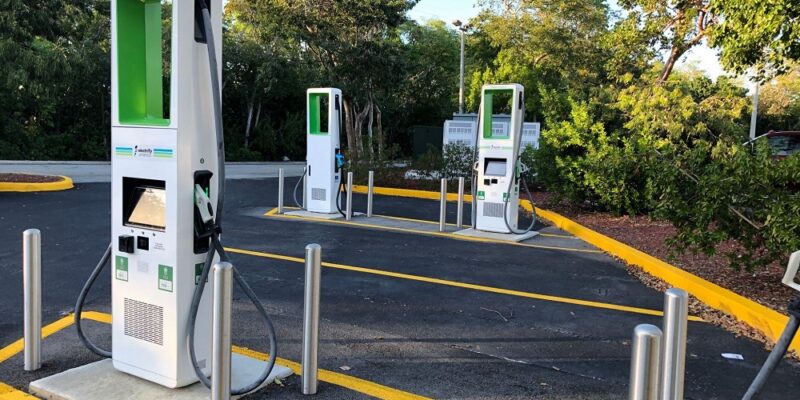
Introduction: A Concern That Once Dominated EV Adoption
For years, range anxiety stood as one of the biggest barriers preventing drivers from switching to electric vehicles. Many potential buyers worried about running out of battery power before reaching their destination or finding a charging station. Automakers expected this concern to linger well into the next decade.
Instead, the opposite is happening.
Across the United States and other major automotive markets, range anxiety is fading far faster than predicted. Improvements in battery technology, expansion of charging infrastructure, smarter navigation systems, and shifting consumer behavior are all reshaping how drivers think about electric mobility.
Today, range anxiety is no longer the dominant obstacle it once was. Understanding why helps explain how the EV transition is accelerating more quickly than industry forecasts once suggested.
What Range Anxiety Actually Means
Range anxiety refers to the fear that an electric vehicle will run out of battery before reaching a charging station or destination. Unlike gasoline vehicles, which can refuel in minutes at widely available stations, early EVs offered limited range and sparse charging options.
Common early concerns included:
- Limited driving distance per charge
- Long charging times
- Uncertainty about charger availability
- Lack of charger reliability
- Difficulty planning long trips
A decade ago, these fears were reasonable. Today, many are outdated.
Battery Technology Has Improved Faster Than Expected
One of the biggest reasons range anxiety is fading is simple: modern EV batteries now go much farther.
Early electric vehicles typically delivered between 70 and 120 miles per charge. That limited range created real concern for daily drivers and especially for road trips.
Today, many mainstream electric vehicles offer:
- 250 to 350 miles of range
- Improved cold-weather performance
- Faster charging capability
- Longer battery lifespan
Premium EVs now routinely exceed 350 miles per charge, while entry-level models still cover most daily driving needs comfortably.
Since the average American drives roughly 40 miles per day, most modern EVs easily handle multiple days of commuting on a single charge.
As real-world experience replaces outdated assumptions, confidence rises naturally.
Fast Charging Networks Are Expanding Rapidly
Charging infrastructure growth is happening faster than many analysts expected.
Public fast-charging corridors now stretch across major highways in the United States. Drivers increasingly find chargers at:
- Shopping centers
- Grocery stores
- Apartment complexes
- Office parking lots
- Hotels
- Highway rest stops
Federal investment programs and private partnerships are accelerating deployment nationwide.
More importantly, charging stations are becoming easier to locate and more reliable. Drivers no longer feel like they are searching blindly for power.
With charging availability improving year by year, the psychological barrier of uncertainty is shrinking quickly.
Home Charging Eliminates Most Daily Concerns
A major misunderstanding about EV ownership is that drivers depend primarily on public charging. In reality, most EV owners charge at home.
Home charging changes everything.
Instead of visiting gas stations weekly, drivers begin each day with a full battery. That shift alone eliminates most range anxiety for everyday commuting.
Advantages of home charging include:
- Overnight charging convenience
- Lower electricity costs compared with gasoline
- Predictable daily driving readiness
- No waiting in fueling lines
Once drivers experience this routine, range concerns often disappear entirely.
Navigation Systems Now Predict Range Accurately
Early EV software struggled to estimate remaining range accurately. Drivers sometimes saw unpredictable battery projections that created unnecessary worry.
Modern EV navigation systems now provide:
- Real-time battery forecasting
- Automatic charging stop planning
- Terrain-based energy prediction
- Weather-adjusted range estimates
- Charger availability status updates
These improvements transform trip planning from guesswork into a reliable process.
Drivers gain confidence because the vehicle actively manages charging strategy for them.
Charging Speed Has Improved Dramatically
Charging used to take hours. That is no longer true in many situations.
Modern fast chargers can deliver:
- 100 to 200 miles of range in about 20 minutes
- Road-trip-ready charging stops similar to rest breaks
- Rapid top-ups during errands
This shift changes how drivers perceive long-distance travel.
Instead of waiting excessively, charging becomes a short pause in a normal trip routine.
As charging speeds continue improving, range anxiety becomes less relevant.
Automakers Are Building Longer-Range Vehicles Than Necessary
Interestingly, manufacturers initially assumed customers would demand extremely high battery capacity to feel comfortable adopting EVs.
Instead, many drivers discovered they did not need maximum range.
Automakers now design vehicles with practical ranges that balance:
- affordability
- battery weight
- efficiency
- charging speed
- everyday usability
Even mid-range EVs now comfortably exceed typical daily driving requirements.
This realization helps normalize electric ownership.
Public Awareness Has Shifted Through Experience
Range anxiety was once driven largely by unfamiliarity.
As more people:
- ride in electric vehicles
- rent EVs during travel
- observe friends charging at home
- see chargers in public spaces
confidence increases naturally.
Social exposure reduces uncertainty faster than advertising alone ever could.
Word-of-mouth adoption plays a powerful role in reshaping perception.
Workplace Charging Adds Another Layer of Confidence
Employers increasingly install workplace chargers to support sustainability goals and employee convenience.
This creates an additional safety net for drivers.
Benefits include:
- mid-day charging availability
- extended commuting flexibility
- reduced dependence on public networks
- increased comfort for apartment residents
Workplace charging effectively doubles access opportunities during the day.
That extra reassurance significantly reduces anxiety.
Battery Reliability Has Proven Strong Over Time
Early skepticism about battery durability contributed to range concerns.
Today, long-term ownership data shows:
- slower-than-expected degradation
- strong warranty coverage
- stable long-distance performance
- predictable charging behavior
Many EV batteries retain most of their capacity after years of use.
As reliability evidence accumulates, drivers trust electric vehicles more.
Confidence replaces hesitation.
Smartphone Integration Makes Charging Simple
Modern EV ownership benefits from powerful mobile apps that provide:
- charger location mapping
- availability monitoring
- remote battery status checks
- trip planning assistance
- charging session control
Drivers now manage charging with the same ease as navigation or ride-hailing apps.
Convenience reduces uncertainty.
And reduced uncertainty reduces anxiety.
Government Investment Is Accelerating Infrastructure Deployment
Public policy is playing a major role in improving charging accessibility.
Infrastructure programs support:
- highway corridor fast chargers
- rural charging expansion
- apartment charging solutions
- fleet electrification projects
These investments ensure that charging availability continues improving rapidly.
Drivers see progress happening in real time.
That visibility builds trust.
EV Drivers Quickly Adapt Their Travel Habits
Many concerns about range disappear once drivers adjust their expectations slightly.
Common behavioral changes include:
- charging during shopping trips
- plugging in overnight
- planning charging stops during meals
- using navigation-assisted route planning
These habits become routine within weeks of ownership.
After that adjustment period, range anxiety rarely returns.
Automakers Underestimated How Fast Confidence Would Grow
Automakers expected range anxiety to remain a major obstacle through multiple product cycles.
Instead, several unexpected factors accelerated consumer confidence:
- rapid charger deployment
- dramatic battery improvements
- strong owner satisfaction rates
- increasing public exposure to EVs
- supportive government infrastructure investment
As a result, EV adoption barriers are falling faster than predicted.
Range anxiety is shifting from a primary concern to a secondary consideration.
For many drivers, it is already gone entirely.
The Psychology Behind the Shift Matters Most
Technology improvements matter. Infrastructure matters. Software matters.
But psychology matters most.
Once drivers experience electric ownership firsthand, their perception changes quickly.
They discover:
- daily charging is easy
- long trips are manageable
- navigation systems are reliable
- range estimates are accurate
Confidence replaces uncertainty.
And that confidence spreads from one driver to another.
Conclusion
Range anxiety once shaped the entire conversation around electric vehicles.
Today, it is fading faster than even industry insiders expected.
Longer driving ranges, faster charging speeds, expanding infrastructure, and improved driver familiarity are transforming the ownership experience.
As adoption continues growing and charging networks expand further, range anxiety will likely shift from a mainstream concern into a historical footnote of early EV development.
Electric vehicles are no longer limited by uncertainty about distance.
They are increasingly defined by convenience.
FAQ Section
1. What is considered a safe driving range for modern electric vehicles?
Most drivers consider 250 to 300 miles per charge more than sufficient for daily use and occasional road trips, especially when fast charging is available along major routes.
2. Does cold weather still reduce EV driving range significantly?
Cold temperatures can reduce range temporarily, but modern battery management systems and improved thermal controls have reduced this effect compared with earlier electric vehicles.
3. Are rural areas still difficult for EV charging access?
Charging access in rural areas is improving quickly due to federal infrastructure programs and expanding private charging networks.
4. How long does fast charging usually take on highway trips?
Many fast chargers can add 100 to 200 miles of driving range in about 20 to 30 minutes depending on the vehicle and charger power level.
5. Can apartment residents comfortably own electric vehicles?
Yes. Many apartment complexes are adding shared chargers, and workplace charging or nearby public chargers often provide reliable alternatives.
6. Do EV batteries lose range quickly over time?
Most modern EV batteries degrade slowly and typically retain a large portion of their original capacity after several years of use.
7. Will future electric vehicles eliminate range anxiety completely?
Continued improvements in battery energy density, charging speed, and infrastructure coverage are expected to make range anxiety increasingly rare for most drivers.













Comments