
 By
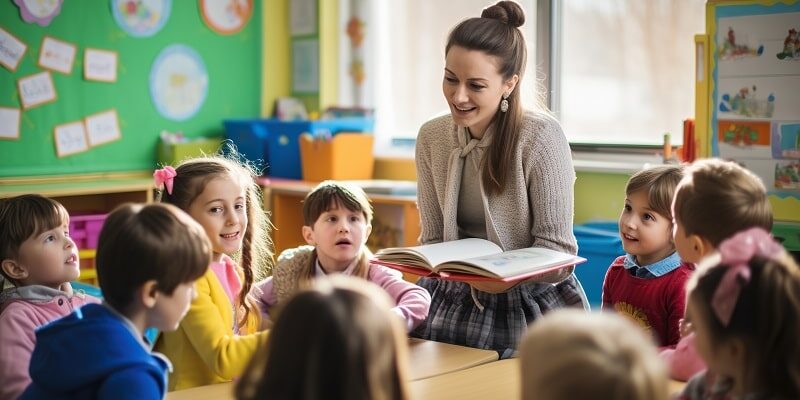
Education today goes beyond textbooks, examinations and classroom lessons. Children are growing up in an increasingly connected world where understanding different cultures, perspectives and traditions is an important life skill. Schools play a significant role in developing this awareness by creating inclusive environments where students learn from one another and appreciate diversity.
International schools in Mumbai provide opportunities for children from different cultural backgrounds to learn, interact and grow together. Such multicultural learning environments encourage students to respect different viewpoints, develop meaningful friendships and build the confidence needed to participate in a diverse global society. By bringing different experiences into everyday learning, schools help children become more open-minded and socially aware individuals.
1. Encourages Cultural Awareness and Respect
One of the greatest benefits of multicultural education is that children become familiar with different cultures, traditions, languages and ways of life. Interacting with classmates from diverse backgrounds helps students understand that differences should be appreciated rather than judged.
Classroom discussions, cultural celebrations, group activities and collaborative projects introduce children to new perspectives. These experiences encourage curiosity and help students develop respect for people whose experiences may differ from their own.
2. Develops Better Communication Skills
Communication is an essential skill for academic success and personal growth. When children interact with peers from different backgrounds, they learn to express their thoughts clearly, listen actively and understand alternative viewpoints.
Multicultural classrooms encourage meaningful conversations and collaborative learning. Students become more comfortable sharing ideas, asking questions and participating in discussions. These communication skills can support their development in higher education, professional environments and everyday relationships.
3. Builds Empathy and Emotional Intelligence
Understanding different perspectives helps children become more empathetic. When students learn about the experiences, traditions and challenges of others, they develop a stronger appreciation of individual differences.
Teachers can support this process through storytelling, group discussions, role-playing and collaborative activities. These experiences help children recognise emotions, respond thoughtfully and build positive relationships. Over time, students become more considerate, supportive and understanding individuals.
4. Promotes Critical Thinking and Creativity
A diverse classroom brings together different ideas, opinions and approaches to solving problems. When students explore subjects through multiple perspectives, they learn to question assumptions, analyse information and consider alternative solutions.
For example, a classroom project involving different cultural traditions can encourage students to research, compare and present their findings. Such activities make learning more engaging while developing creativity, independent thinking and problem-solving abilities.
5. Prepares Students for a Globalised Future
Today’s educational and professional opportunities often involve working with people from different countries and cultural backgrounds. Students who experience diversity during their school years can develop the adaptability and confidence needed to navigate these environments.
Many international schools in Mumbai encourage global awareness through diverse classroom interactions, collaborative projects and broader learning experiences. This exposure helps children understand international perspectives and prepares them to participate confidently in an interconnected world.
6. Creates an Inclusive and Supportive Learning Environment
Every child deserves to feel respected, accepted and valued at school. Multicultural education supports this by encouraging equal participation and creating opportunities for students to share their identities and experiences.
Teachers play an important role in establishing inclusive classrooms where different opinions are welcomed and every student has an opportunity to contribute. When children feel comfortable expressing themselves, they are more likely to participate actively, develop confidence and enjoy their learning journey.
7. Strengthens Collaboration and Teamwork
Working with classmates from different cultural backgrounds teaches children how to cooperate, share responsibilities and value collective contributions. Group assignments, presentations, classroom activities and creative projects provide opportunities to combine different strengths and ideas.
These experiences help students understand the importance of teamwork, flexibility and mutual respect. They also prepare children to work effectively with diverse groups in future academic and professional settings.
Conclusion
Multicultural learning environments play an important role in shaping confident, compassionate and globally aware individuals. By encouraging cultural understanding, communication, empathy, creativity and collaboration, schools provide children with skills that extend far beyond academic achievements.
Choosing the right educational environment can make a meaningful difference in a child’s overall development. International schools in Mumbai offer children opportunities to experience diverse perspectives, build lasting friendships and develop a broader understanding of the world. A learning environment that celebrates diversity helps prepare students to embrace new opportunities, respect differences and contribute positively to an increasingly connected society.











Comments